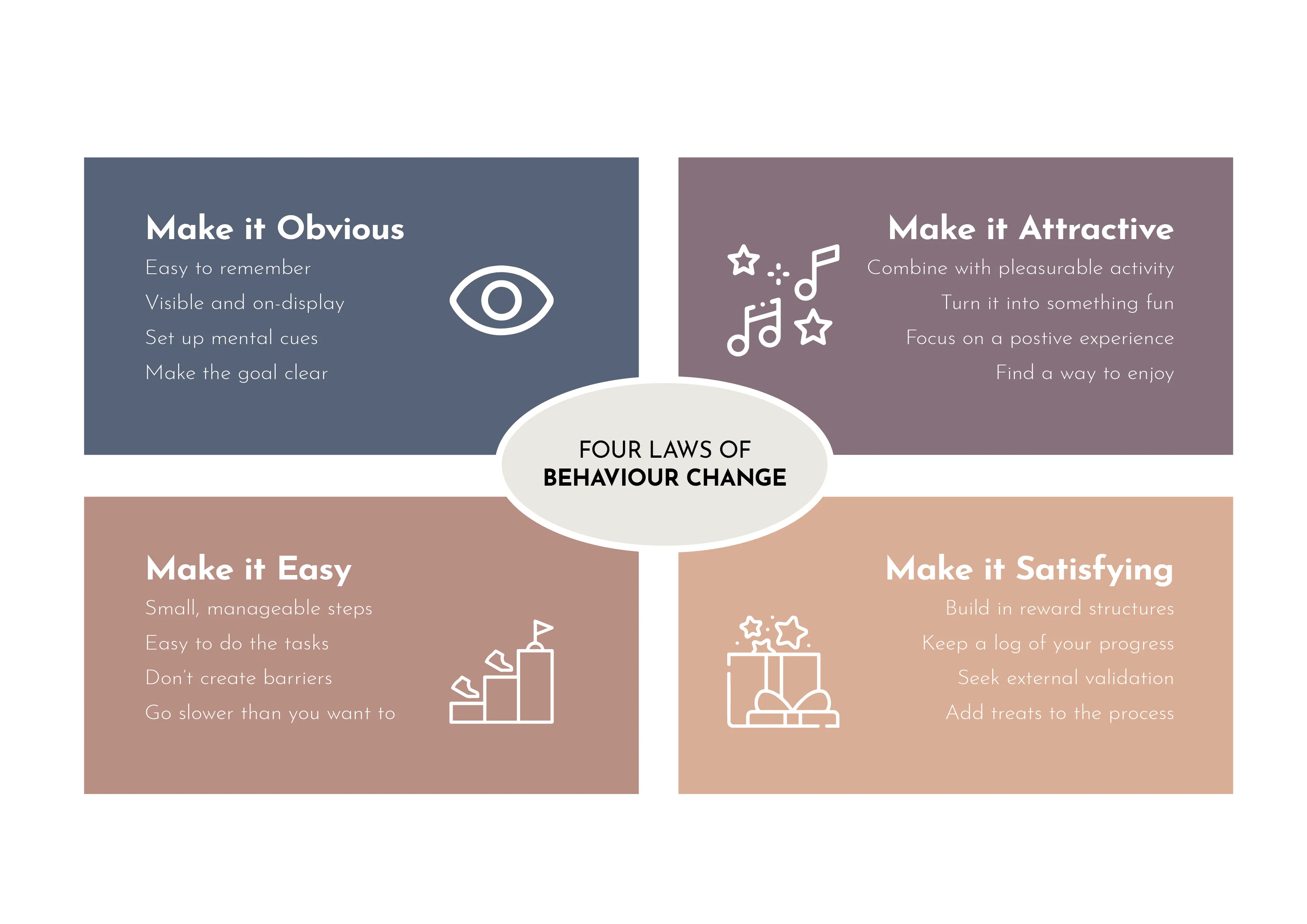
Make It Attractive
Most of us have done this before, even if we didn’t realize it had a name.
I won’t do this until I do that.
I can’t have ice cream until I finish dinner or go for a walk.
I won’t play a game until the dishes are done.
What you’re really doing is making an undesirable task easier by pairing it with something you genuinely want. You’re not relying on motivation — you’re leveraging desire.
This is exactly what James Clear means by Make It Attractive.
Using Rewards to Pull You Forward
When I was trying to make running stick, I told myself I could play my game afterward. Running wasn’t the reward — the game was.
Over time, that habit stack became automatic. I didn’t need to negotiate with myself anymore. The run happened.
Eventually, that same habit became a tool I could use to build other habits. One good habit turned into leverage for the next. That’s how you create a positive habit loop instead of constantly starting from zero.
Think of it like putting on bedtime clothes before sleep. It’s not exciting, but it signals what comes next. Attraction doesn’t have to be dramatic — it just has to pull you forward.
Change How You See Yourself
Here’s the truth:
I hated running. I still do.
But if you ask me now, I’ll tell you I’m a runner.
Not because I love it — but because I do it. Consistently.
I’ve always seen myself as an athlete. That identity didn’t come from words. It came from results, action, and how I felt after showing up.
The same applies to my career. I didn’t become an engineer because a degree said so. I became an engineer by doing the work, developing the skills, and surrounding myself with engineers.
So instead of saying:
- “I don’t smoke anymore”
- “I ride my bike sometimes”
- “I dabble in computers”
Try saying:
- “I’m not a smoker”
- “I’m a biker”
- “I’m a technologist”
Identity matters. Who you believe you are determines what habits feel attractive to maintain.
Environment Matters More Than You Think
Your environment plays a massive role in habit formation.
If you want to exercise more but spend most of your time around people who don’t, the habit becomes harder. The same is true for smoking, drinking, or eating poorly.
This is why groups and cliques exist. They reinforce identity.
When I started running consistently, I naturally spent less time drinking. My eating habits shifted toward clean keto. Not because I forced it — but because my environment changed. I wasn’t putting myself in situations where temptation constantly tested me.
This isn’t about cutting people off.
It’s about being honest.
If you want to smoke less, should you be around people who are smoking all the time?
If you wanted to smoke more, wouldn’t you do the opposite?
The same logic applies to positive goals. Surround yourself with people who reflect the habits you want — or create space to build them on your own.
Understand Who You Are and What You Want
Building better habits isn’t about willpower. It’s about increasing the odds that a habit starts, continues, and sticks.
We often get in our own way because we don’t plan. Or we don’t understand how we personally build habits. What works for someone else might not work for you.
And that’s okay.
There will be times things don’t work perfectly. That doesn’t mean the system failed. It means it needs adjustment.
Stick with the techniques you choose. They don’t just help with one habit — they make future habits easier to build.
If everything was easy, everyone would do it.
So visualize the outcome. Run the mental montage. Picture how you’ll feel when the habit becomes part of who you are — not something you debate every day.
That’s how you make habits attractive enough to last.
| Atomic Habits – James Clear | The Quitting Solution – Latrelle Brown | Law 1: Make it Obvious – Latrelle Brown


Leave a Reply