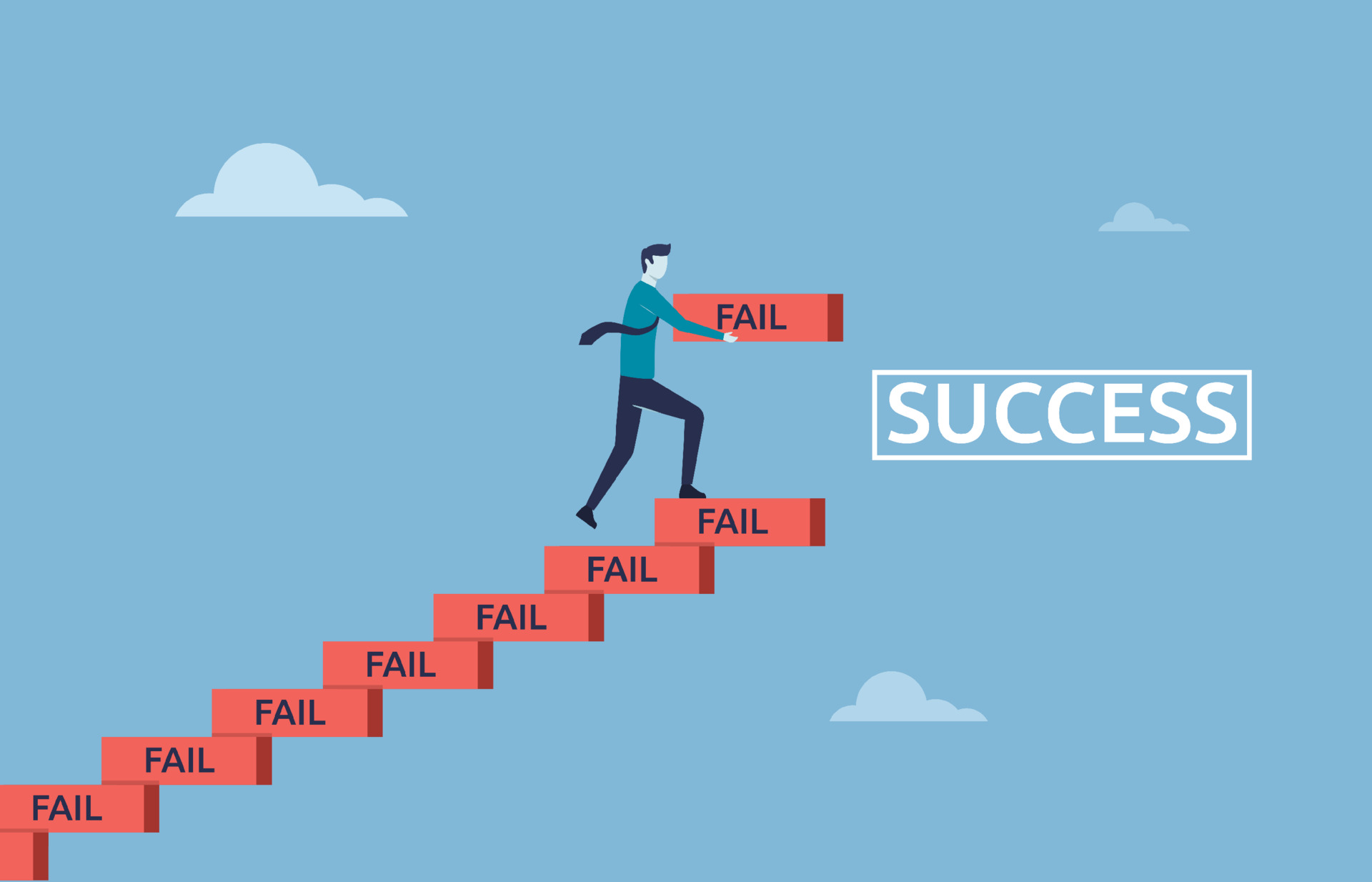
“I expect you to MAke a Mistake, but I don’t expect you to Make It Twice“
My first manager in biotech, at CareDx, said this to me early on. It stuck. It stuck so well that years later I found myself saying it to my daughter, in a completely different context, about something that had nothing to do with lab work or deadlines.
Learning From Mistakes Starts With Letting Them Hurt
The idea behind it is simple. If you make the same mistake twice, it means you didn’t learn from the first one.
It also means you didn’t care.
That second part is the one that gets me. Because mistakes should hurt. They should bother you. Not forever, and not to the point where you can’t function — but they should sit in your chest for a minute. That discomfort is the evidence. It’s how you know you cared about doing it right, and it’s the thing that makes you go back and figure out what went wrong. People who don’t feel anything when they mess up don’t fix anything either.
Mistakes are inevitable. We are not perfect. Whether you’re religious or not, we were built imperfect, and I don’t think that’s a flaw in the design.
Me personally, that’s what makes life interesting. Chasing perfection. I know I’ll never get there. That’s fine. It gives me something to aim at.
The Million-Dollar Mistake
Another mentor of mine told me a story I’ve never forgotten.
He made a mistake that cost his company a million dollars. One decision. Seven figures, gone.
He told me: don’t let a mistake bother you for too long. Your response is more important than the initial mistake.
At the time, I made an error that cost the company a single run and a plate, but in the grand scheme we learned what we could or could not do for a workcell recovery step.
Your Response Is the Part That Counts
I’ve carried that with me ever since. I also repeated it to recruiters. I have also shared this with friends and family when they’re getting too far down on themselves. Because he was right — nobody remembers the error nearly as long as they remember what you did next. The recovery is the part that defines you.
So make the mistake. Let it sting. Then get up and answer it. My first manager in biotech , at CareDx, once said this to me. It also became a parenting tool. I told my daughter this as well.
The idea behind it is that, if you make the same mistake twice, then that means you didn’t learn from the first.
It also means you didn’t care.
The ladder is the biggest issue for me, because mistakes should hurt, they should bother you. That means you care. The also means you are trying to grow.
Mistakes are inevitable, we are not perfect, and if you are religious or not, we were allowed, and built to be imperfect.
Me personally though, this is what makes life interesting and fun. Chasing perfection. It just gives a goal, even though I know I will never achieve it.
Ultimately though, in my career and my life, I’ve allowed myself to accept the anguish of making those mistakes.
I always get back up. Another mentor of mine also told me, he once made a mistake that cost his company $1 million dollars. He told me, don’t let a mistake bother you for too long, your response is more important than the initial mistake.
It was great advice, and it’s something I will never forget. I still share this with recruiters, and with friends and family when they get too down on themselves.
We are human, we are capable of great things, but sometimes on the way, you need to grow, and you need to fail, so mistakes are inevitable.
| Try, Fail and Succeed – Latrelle Brown | Right Kind of Wrong: The Science of Failing Well – Amy Edmondson |


Leave a Reply