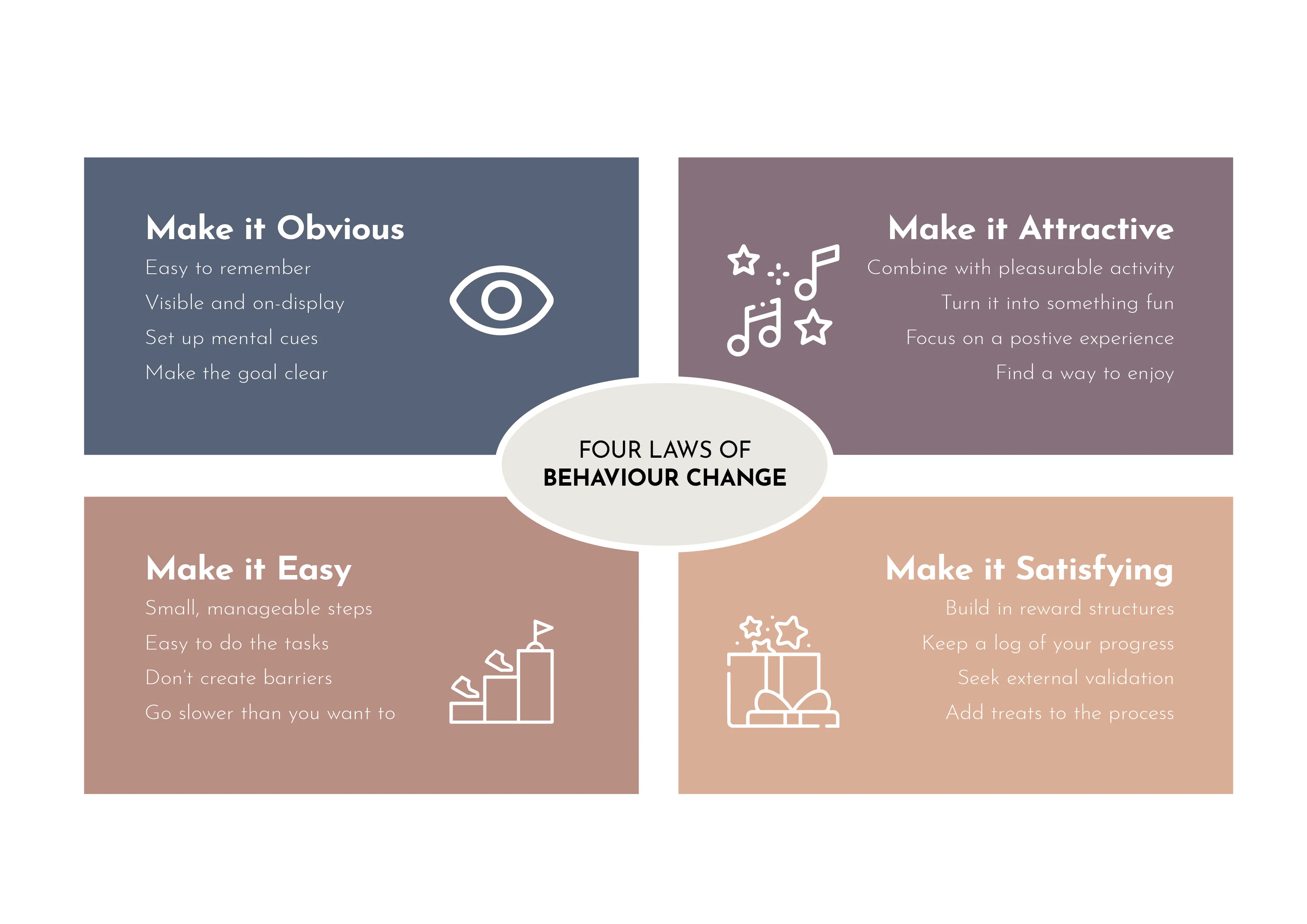
Make It Satisfying
The fourth law of building better habits is the simplest one to say and the easiest one to forget: make it satisfying. What gets rewarded gets repeated. What feels good, you come back to. We all run on this loop, and most of the time we don’t even notice it’s running us.
Here’s the trap, though. Bad habits pay you now — the ice cream tastes good the second it hits. Good habits make you wait. You eat clean and train for months before the mirror ever catches up. So if you want a good habit to stick, you have to give yourself a reason to feel good now, before the real payoff shows up. Sometimes that reward is a treat. Sometimes it’s just the feeling you get from doing something that seemed impossible, or flat-out hard, and doing it anyway.
When I was rebuilding my identity around staying athletic as I got older, my reward was cheat days. You eat healthy, you train, and since you worked hard and ate shit you didn’t want to all week, now you get to eat the very thing you actually want. That loop made the discipline easy to repeat. And here’s the part nobody tells you: years later, I don’t even need the weekly cheat anymore. I still take breaks. I just don’t need them the way I used to.
Compounding Interest
Here’s why that loop matters so much. Every time you build one good habit, you’ve improved yourself a little. Then you stack another, and another. You’re compounding the interest earned on that first habit into a better overall you, and each new habit gets easier to build than the last. Less effort, more efficiency, more momentum.
But none of it compounds if you quit. And you quit when it stops feeling worth it. That’s the whole point of making it satisfying: the reward is what keeps you in the loop long enough for the compounding to actually happen. Satisfaction is the bridge between who you are right now and who you’re trying to become.
My Adaptation
Now here’s what took me years to figure out. Rewarding myself with whatever I wanted to eat kept me steady. I was healthier, sure, but my weight never moved. The reward was quietly fighting the goal.
So I changed the reward. External validation turned out to be far more powerful than any plate of food. Someone telling me I looked better. Looked healthier. And honestly? I felt like I was reversing my age. That feeling, the kind somebody else can actually see, became the biggest payoff I’d ever gotten from staying disciplined. It outperformed the food by a mile.
I still give myself a treat for working hard. I just delay it longer now, because I don’t need it the way I used to. The identity does the heavy lifting.
Same thing goes for skills, at work, in life, anywhere. The best reward I ever got from learning something new wasn’t the thing itself. It was hearing how it helped somebody else.
Your Adaptation
Figure out what would actually mean something to you for building this habit. A compliment from someone you love. A night out. The food you’ve been craving. Then expect a delay, almost nothing is instant. Keep working until that first reward lands, give it to yourself, and watch the loop start to build.
It’s the exact same loop we already run for the bad habits. Long day, so you eat the ice cream. Long week, so you binge the show or veg out all weekend. Satisfying in the moment, but it’s not moving you anywhere if you’ve got somewhere to be.
So flip it. Take the habit you’d usually reward with nothing, “I trained hard, so now I get to do nothing” and delay that payoff just slightly. A little more output for a little more self. Do it again, and the gap you can tolerate gets wider. Do it enough and you look up one day to find the goal you were chasing is closer than you expected, because every time you delayed a reward that was only ever slowing you down, you bought yourself more input.
The goal here is simple: feel rewarded, but make sure the reward is actually worth something. Don’t sell yourself short. Work harder between the wins.
| https://jamesclear.com/atomic-habits-summary | My Adaptation of the Atomic Habits: 1, 2, 3 |


Leave a Reply